Monastery of the Sacred Earth

A Monastery Without Walls

~ New monasticism rooted in the living world ~

A Rule of Life
Kept Outdoors

Monastic life has always been organized around return: the same hours and practices, repeated day after day until they shape the person who keeps them. I am asking what that wisdom offers those of us trying to live attentively in the world as it is now.

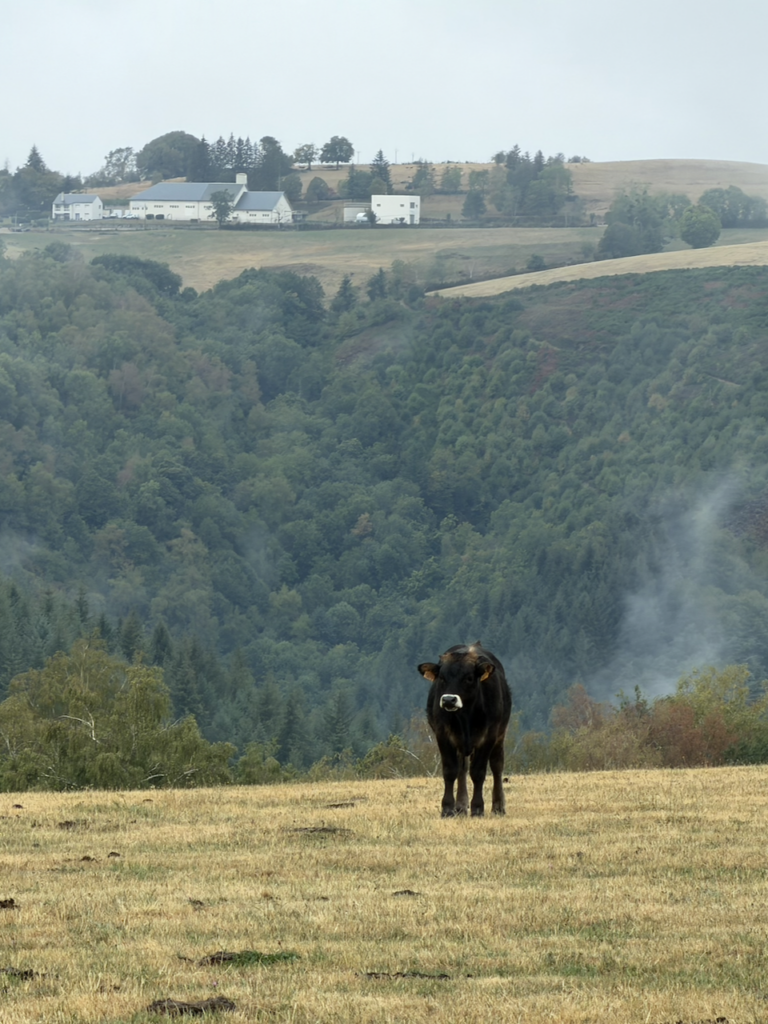
Monastery of the Sacred Earth carries that rhythm into an ordinary life with a job, a home, and a calendar that fills too fast. Its cloister is the path I already walk. Its teachers include a pine tree in a Parisian park, the frogs outside Espalion along the Camino route in France, and a cow on the Camino who lifted her head surrounded by flowers before I lifted mine.

It grew from my own need for structure and a call toward monastic life, and I am building it in public, one working version at a time.

What Makes This Monastic?

For centuries, monastic traditions have organized life around rhythm, prayer, study, silence, work, simplicity, hospitality, and service. I am asking what that wisdom offers those of us trying to live attentively in the world as it is now.

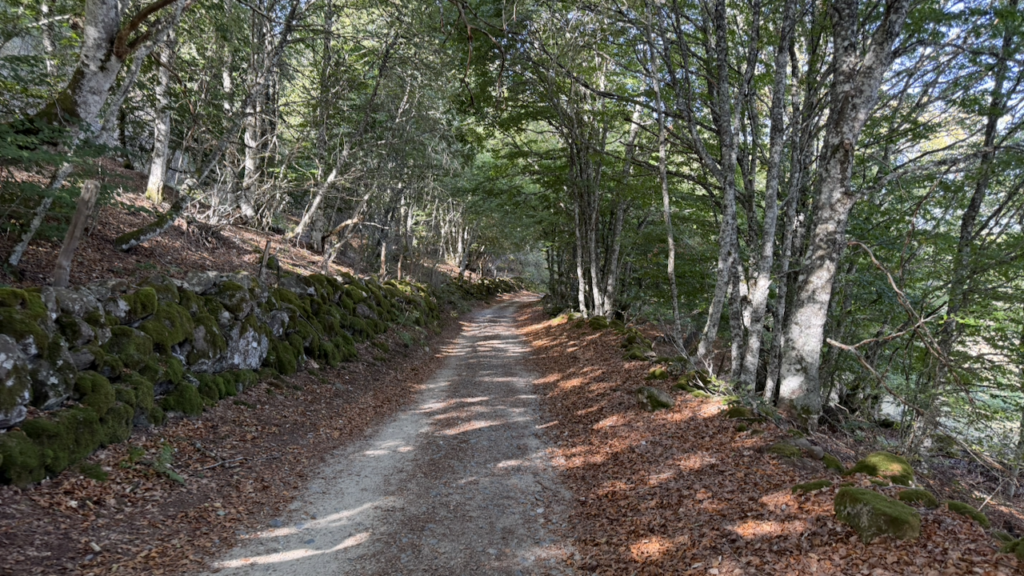
Monastery of the Sacred Earth places those practices in relationship with the living world. The cloister may be a forest trail, a neighborhood street, a city park, or the place outside your own door. The bell may be sunrise, the first stars, or a sound on your phone kept for nothing else. The life becomes monastic through a rhythm of attention and response, chosen and kept in the middle of ordinary days.

What would it take for a few practices, kept long enough, to shape a whole life with the living world?

The Daily Hours

Rising

Dawn

Day

Dusk

The day turns on 5 hours: Rising, Dawn, Day, Dusk, and Rest. Around them sit 5 more practices that return across weeks and seasons.

  1. Keeping the Hours. 5 pauses a day, each called by a bell sound kept for nothing else.
  2. Walking as Practice. The same routes, walked slowly enough to meet who lives along them.
  3. Reading the Living World. Earth-Based Lectio Divina in 4 movements: Receive, Ponder,
  4. Belonging to Place. Learning the watershed, the seasons, and the neighbors who are more than human.
  5. Study and Reflection. Reading the traditions this practice borrows from, and writing back to them.
  6. Simplicity and Service. Asking what is enough and what belonging to a place asks in return.

A Rhythm of Practice

The monastery takes shape through practices we return to regularly. Some mark the hours of the day, while others deepen our relationship with place, the living world, and the way we choose to live.

In Conversation with Wild Church

img 5363
img 5637

This Monastery Is Still Taking Shape

I share practices while they are still working versions.

Earth-Based Lectio Divina went public in April 2026 and came back refined in July, shaped by readers who tried it on their own ground. The Earth-Based Examen went public in October 2026 and is in its first season of testing. The Rule on this site will develop and change in the same way.share practices while they are still working versions.

What would it take for a few practices, kept long enough, to shape a whole life with the living world?

Follow Along and Write Back

This began as my own Rule, kept for my own days. I share it as an invitation to try any part of it on your own ground and tell me what holds there.

New practices, revisions to the Rule, and notes from the path go out first through Contemplative Walking on Substack.

Next steps for this website (for full transparency):

  • About page
  • The Rule page
  • What is shaping this work page
  • Subscribe / Contact
  • Header
  • Footer update